About 1000 LPH RO Plant
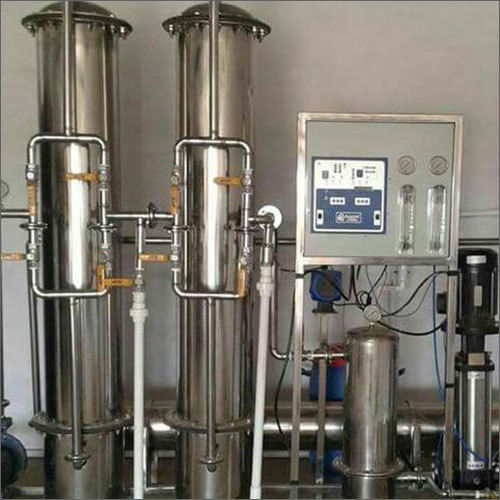
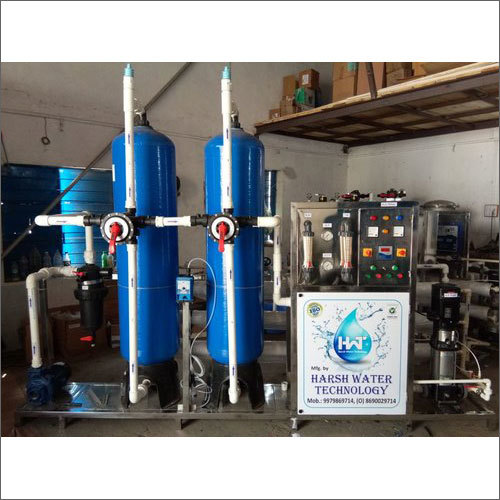
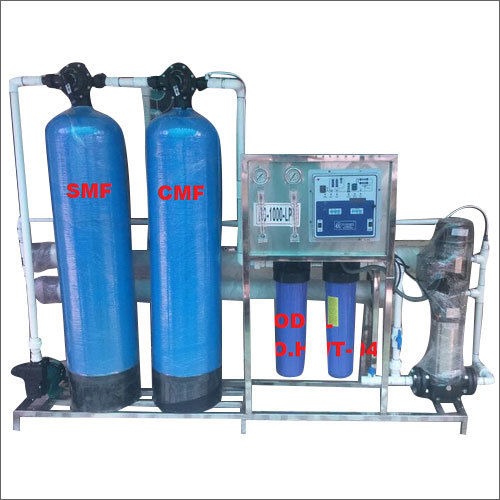
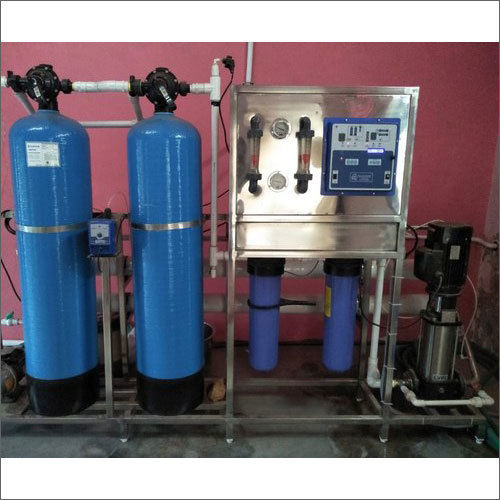
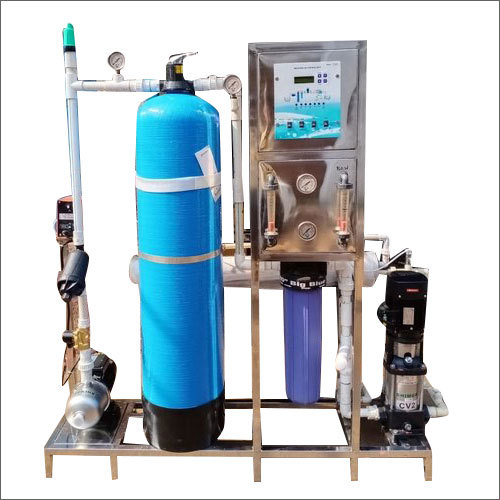
We are an acclaimed manufacturer of 1000 LPH RO Plant in the market. It works on membrane desalination process. 1000 LPH RO Plant is being popularly used in purifies brackish/high TDS water for drinking and industrial purposes. We have gained high rising acknowledgement and demands from our patrons among our competitors.
Product details
| RO Capacity | 200-500 (Liter/hour) |
| Usage/Application | Industrial |
| Automation Grade | Semi-Automatic,Automatic |
| Number of Membranes in RO | 3 |
| Max Water Recovery Rate | 65-70 %,55-60 % |
| Number of Filtration Passes | 5 |
| Material | Stainless Steel |
High-Efficiency Reverse Osmosis TechnologyUtilizing state-of-the-art reverse osmosis membranes from brands like Dow and Hydranautics, this RO plant ensures removal of up to 99% contaminants and delivers water with conductivity less than 10 S/cm. The advanced design allows for high recovery (up to 65%) and effective recycling, making it a sustainable option for multiple industrial, commercial, and institutional uses.
User-Friendly Operation and MaintenanceThe 1000 LPH RO Plant features an automatic microprocessor or PLC-based control panel for simplified user management and real-time monitoring. It is built for low maintenance, with accessible pre- and post-filtration systems (sand and carbon filters recommended) that provide an added layer of protection and ensure longevity of the RO membranes.
Versatile Applications Across IndustriesEngineered to handle borewell, well, and surface water, the plant is floor-mounted and skid-based, suitable for a wide range of environments. Common applications include drinking water supply, industrial process water, and institutional usage, where efficient purification and consistent water quality are paramount.
FAQs of 1000 LPH RO Plant:
Q: How does the 1000 LPH RO Plant purify water and what contaminants does it remove?
A: The plant utilizes advanced reverse osmosis membranes that remove up to 99% of dissolved salts, hardness, heavy metals, bacteria, and organic contaminants, producing high-purity water suitable for drinking and process applications.
Q: What is the recommended pretreatment process before feeding water into the RO plant?
A: Pretreatment involves sand and carbon filtration to remove suspended solids, chlorine, and organic matter, protecting the RO membranes and ensuring efficient plant operation.
Q: Where can the 1000 LPH RO Plant be installed, and what are its mounting options?
A: The plant is designed for floor-mounted and skid-based installations, making it suitable for use in industrial facilities, commercial establishments, institutions, and water supply systems across various locations.
Q: What are the benefits of using this RO system for commercial or industrial applications?
A: Benefits include consistent high purity water, low maintenance requirements, efficient salt and contaminant removal, and compatibility with a wide range of feed water sources with TDS up to 2000 ppm and hardness up to 500 ppm.
Q: When should the filters and membranes be replaced in this RO plant?
A: Replacement frequency depends on feed water quality and usage, but typically, pre-filters are checked every 3-6 months, while RO membranes are inspected annually or as indicated by reduced performance on the control panel.
Q: What is the typical process flow rate and recovery rate for the system?
A: The system delivers a flow rate of 1000 liters per hour with a permeate recovery rate between 4565% and a recycle rate of 5070%, depending on the feed water parameters and operational adjustments.
Q: How is the system monitored and controlled during operation?
A: A microprocessor or PLC-based control panel enables real-time monitoring, regulation of operational parameters, and alerts for maintenance needs, ensuring consistent performance and operator convenience.
 Send Inquiry



 Send Inquiry


 Send Inquiry