About Multi Port Head Valve
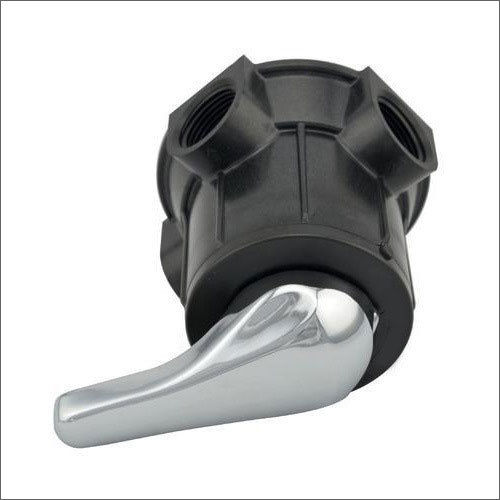
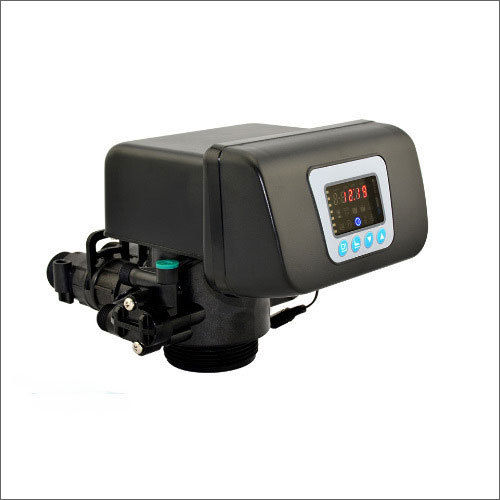
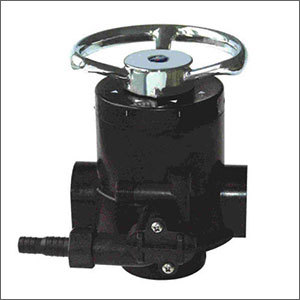
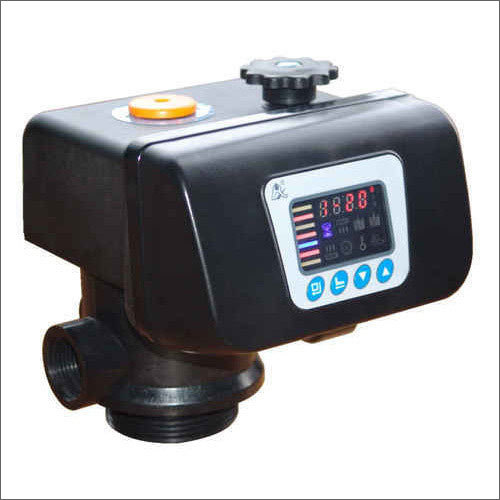
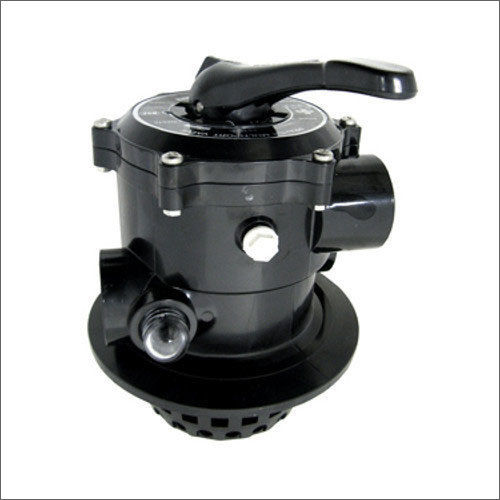
Multi Port Head Valve is used in sand and DE filters to help clean or backwash the filter media. It is called multiport valves as it has multiple ports inside the valve that allows the water to move in multiple directions. Multi Port Head Valve is minutely checked on different parameters before the final dispatch from our unit.
Product details
| Flow | 2.5 m3 /hr - 3.5 m3 /hr |
| Usage/Application | Water Treatment |
| Brand | Initiative |
| Material | Brass/Bronze |
| Media | Water |
| Max Operating Pressure | 7.5 bar |
Versatile Operation ModesThis multiport head valve allows up to six operating positions-filter, backwash, rinse, waste, closed, and recirculate-enabling seamless management of various water and chemical media processes. By supporting multiple flow pathways, it enhances efficiency and simplifies switching between functions.
Durable Build and Reliable SealingManufactured from corrosion-resistant plastics or ABS, the valve is designed to withstand demanding environments. It features EPDM/rubber/gasket sealing for lasting leak-proof operation, while the robust handle-either durable plastic or coated metal-ensures ease of use and longevity.
Flexible Installation and AdaptabilityAvailable with threaded or flanged connections and a choice of port sizes (1 to 3 inches), this valve is suited to a wide range of systems. Its compact, top-mounted or bolt-on design streamlines installation; optional manual, pneumatic, or electric actuation further increases flexibility.
FAQ's of Multi Port Head Valve:
Q: How does the multiport head valve operate in different filtration processes?
A: The multiport head valve offers up to six selectable positions, such as filter, backwash, rinse, waste, closed, and recirculate. By adjusting the control handle or actuator, operators can easily switch between functions to direct the flow of water or chemicals as needed in specific treatment processes.
Q: What installations or systems is this valve suitable for?
A: This valve is ideal for water treatment applications, including filtration units, reverse osmosis (RO) plants, softening systems, and other setups handling water or compatible chemicals. Its adaptable design accommodates various industry needs for efficient flow management.
Q: When should I consider using a pneumatic or electric actuator for this valve?
A: A pneumatic or electric actuator is recommended when remote, automated, or frequent operation is necessary-especially in larger or automated water treatment systems-or where manual operation is less practical. Manually operated valves are suitable for basic or smaller-scale applications.
Q: Where can the multiport head valve be installed in the water treatment process?
A: The valve is typically installed at strategic points where control over flow direction is required, such as before or after filtration tanks, in softening plants, or at distribution heads in RO systems. The top or bolt-on mounting design offers flexibility in different setups.
Q: What is the process for maintaining the multiport head valve to ensure longevity?
A: Routine inspection for leaks, periodic cleaning, and regular checking of seals and gaskets are recommended. Depending on operating conditions and medium, lubrication of moving parts and handle mechanism will help maintain smooth operation and high cycle durability.
Q: How does the valve's design benefit users in industrial or commercial settings?
A: The compact, robust construction and corrosion-resistant materials ensure reliability in demanding environments. Leak-proof sealing, multiple flow pathways, and easy-to-operate controls help minimize downtime and maintenance, providing cost-effective and efficient operation.

 Send Inquiry



 Send Inquiry


 Send Inquiry