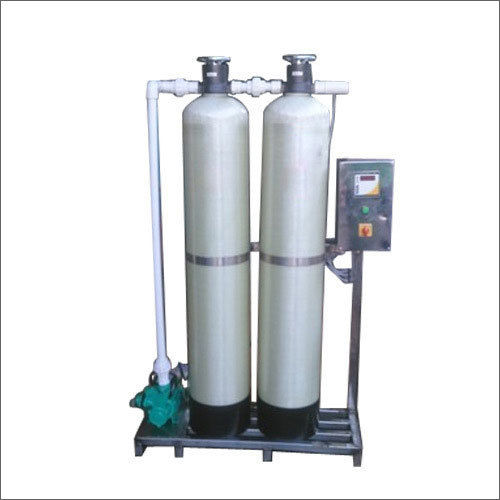
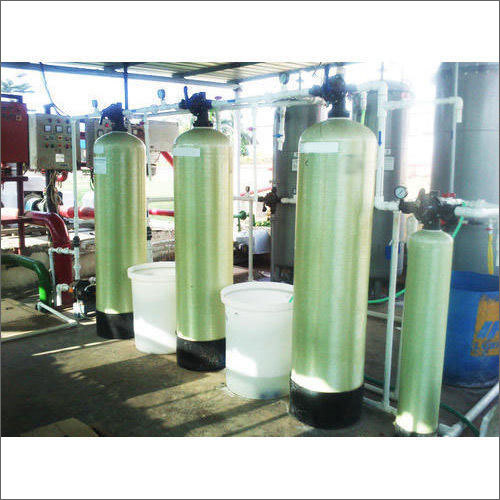
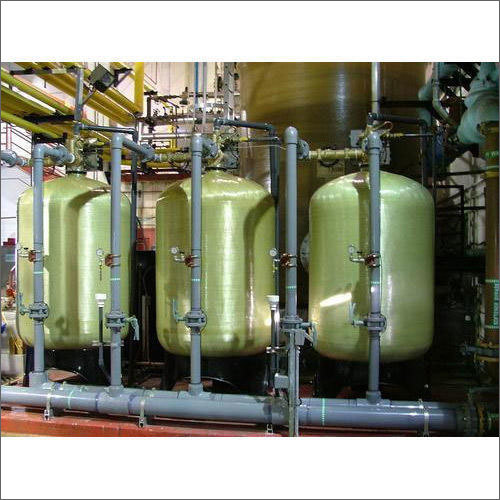
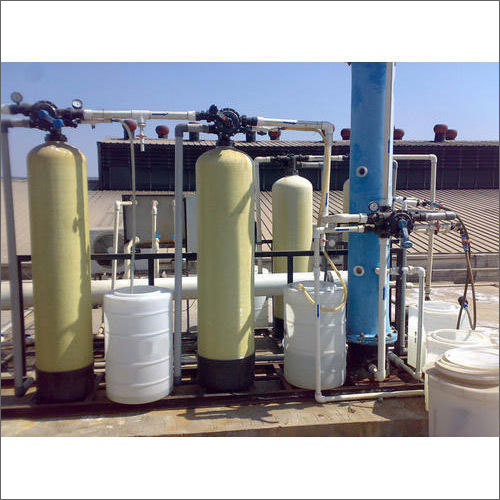
About Demineralization Water Plant
Demineralization Water Plant is often used to sanitize containers and equipment. It is also used in certain food processing applications, although membrane filtration is usually the technology used so organic material, viruses, bacteria, etc., can be eliminated. This Demineralization Water Plant is thoroughly tested on varied quality parameters before dispatching.
Product details
| Inlet Pressure | 50 bar |
| Automation Grade | Automatic |
| Usage/Application | Industrial |
| Water Source | River Water,Borewell Water |
| Flow Rate | 800 m3/hr |
| Brand | Harsh water |
| Output TDS | Less than 100 ppm |
Efficient Ion Exchange TechnologyThis plant utilizes specialized cation and anion exchange resins to remove dissolved minerals, ensuring a purity level of up to 99%. Its advanced design caters to applications demanding ultra-pure water, including pharmaceuticals, laboratories, and power plants, delivering consistent and high-quality results.
Robust Construction & Flexible DesignAvailable in FRP or stainless steel material with mild steel powder-coated or stainless steel skid options, the plant withstands diverse industrial environments. Customizable inlet/outlet sizes (1" to 4") and a wide capacity range (1000-50000 LPH) make it suitable for small to large-scale usage.
Comprehensive Pretreatment ProcessEffective sand and carbon filtration as pretreatment ensures suspended solids and organic impurities are filtered out before demineralization. This step is crucial for prolonging resin life, maintaining efficiency, and achieving consistent, reliable output quality.
FAQ's of Demineralization Water Plant:
Q: How does the Demineralization Water Plant achieve high purity levels in its output water?
A: The plant uses a two-stage ion exchange process with specialized cation and anion exchange resins. This removes dissolved minerals and ions effectively, producing water with a conductivity of less than 1 S/cm and up to 99% purity, suitable for demanding applications.
Q: What type of pretreatment is required before operating this plant?
A: Pretreatment with sand and carbon filtration is mandatory. These filters remove suspended solids and organic contaminants from the raw water source, protecting the ion exchange resins and enhancing overall system efficiency and longevity.
Q: When is regeneration necessary, and how is it controlled?
A: Regeneration is needed when the resins reach their ion exchange capacity, which depends on water quality and usage rates. The plant offers both automatic and semi-automatic regeneration, managed through a PLC-based control panel to ensure optimal performance and minimal manual intervention.
Q: Where can this demineralization water plant be installed and used?
A: The plant is designed for flexible installation-either skid-mounted or containerized-for diverse applications in pharmaceuticals, laboratories, electronics, boiler feed, and power plants. It can process water from borewell, municipal, or surface sources.
Q: What are the benefits of the plant's high recycle rate and low power consumption?
A: With a recycle rate of up to 99% and power consumption between 2-7 kW (depending on the model), the plant maximizes water utilization and minimizes operational costs, making it an efficient and eco-friendly solution for industrial users.
Q: How long is the typical service life of the plant, and what maintenance is required?
A: The plant offers a service life of 10-15 years when maintained regularly. Routine maintenance includes checking filters, ensuring timely regeneration of resins, and inspecting the piping and control systems to maintain optimal performance.
Q: What makes this water plant suitable for pharmaceutical and laboratory use?
A: The plant delivers high efficiency, low noise, and reliable, rust-proof performance with consistent water quality that meets stringent requirements (conductivity <1 S/cm, pH 6.5-7.5). These features ensure it meets the purity standards necessary for sensitive industrial applications.

 Send Inquiry



 Send Inquiry


 Send Inquiry