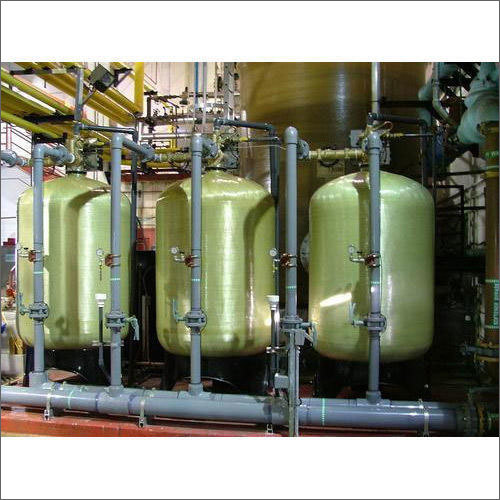
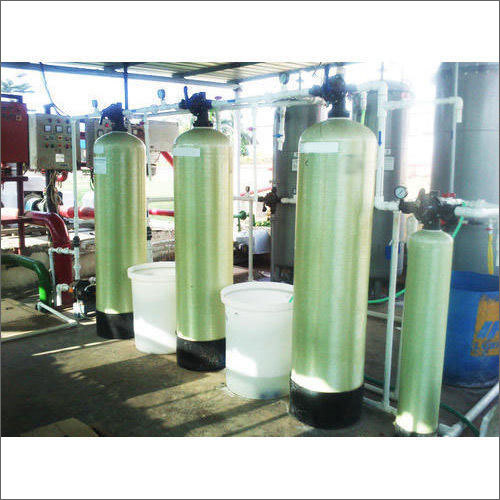
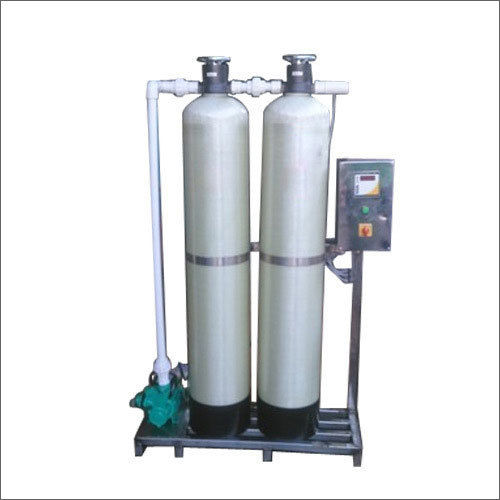
About DM Filtration Plant
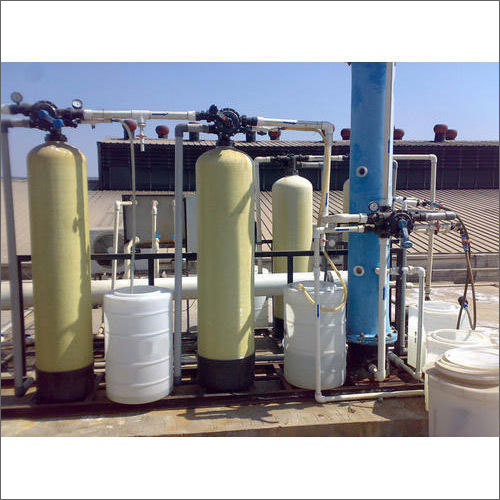
DM Filtration Plant is a system used to carry out industrial water treatment. To be more precise, this plant remove dissolved solids or minerals from process streams and feed water. DM Filtration Plant removes minerals using any one of the following procedures: Deionisation. We strive to deliver this on time.
Product details
| Inlet Pressure | 40-50 bar |
| Automation Grade | Automatic |
| Usage/Application | Industrial |
| Water Source | Industrial Effluent |
| Flow Rate | 1000 m3/hr |
| Recovery Rate | 50%-60% |
| Output TDS | Less than 110 ppm |
State-of-the-Art Ion Exchange TechnologyThe DM Filtration Plant utilizes advanced cation and anion exchange resin technology to achieve high-purity water, ideal for sensitive applications. Its digital conductivity meter gives real-time water quality readings, ensuring reliable monitoring and operation. Whether required for pharmaceutical production, laboratories, or industrial systems, this technology delivers consistent and efficient performance.
Customizable Setup for Varied RequirementAvailable in capacities ranging from 1,000 to 50,000 LPH and compatible with multiple water sources, the plant can be configured for single or double pass operations. Optional pretreatment tanks and flexible piping in PVC or stainless steel further cater to site-specific needs, supported by a heavy-duty skid-mounted frame for stability.
Safe and Efficient OperationWith features like an overload protector for pumps, easy-to-use service valves, and low noise levels, the plant ensures safe, smooth, and reliable operations. The regeneration process can be automatic or semi-automatic, minimizing downtime and simplifying maintenance, making it an excellent choice for continuous industrial use.
FAQ's of DM Filtration Plant:
Q: How does the DM Filtration Plant ensure water purity for industrial use?
A: The plant uses ion exchange resin technology and multi-stage filtration, including sediment and activated carbon pre-filters, to remove dissolved salts and contaminants. Continuous monitoring via the digital conductivity meter guarantees output water with less than 1 S/cm conductivity, suitable for pharmaceutical, laboratory, and boiler feed applications.
Q: What is the process of water filtration in this DM plant?
A: Raw water feeds into sediment and activated carbon pre-filters to remove suspended solids and organics. The ion exchange section then treats water through cation and anion resin beds. Regeneration can be automatic or semi-automatic, ensuring uninterrupted operation and maximum efficiency.
Q: When should the resin be regenerated or replaced in the DM Filtration Plant?
A: Resin regeneration is typically triggered automatically or semi-automatically based on system usage and output conductivity readings. Replacement depends on cumulative throughput, quality of feed water, and frequency of regeneration cycles, generally after extended periods of operation or noticeable drop in efficiency.
Q: Where can the DM Filtration Plant be installed?
A: The DM plant is skid-mounted and prefabricated, making it suitable for installation in various settings including industrial sites, laboratories, pharmaceutical facilities, and boiler rooms. It can connect to borewell, municipal, or industrial water sources and accommodates capacities up to 50,000 LPH.
Q: What are the usage and benefits of pre-treatment filters in this system?
A: Pre-treatment filters-multi-grade sand and carbon types-reduce suspended particles and organic impurities before water enters ion exchange resins. This prolongs resin life, improves filtration efficiency, and reduces maintenance requirements, resulting in more reliable, high-purity output.
Q: What safety features are included in the DM Filtration Plant?
A: Safety is prioritized with features like an overload protector for the pumps, robust heavy-duty supporting frames, and corrosion-resistant materials. Low noise operation further enhances workplace safety and comfort.
Q: How is maintenance handled and what are the long-term benefits?
A: Maintenance is streamlined by easy operation interfaces, corrosion-resistant construction, and efficient regeneration cycles. With up to 99% efficiency and a 98% recycle rate, the plant ensures sustainable operation, reduced running costs, and long-term reliability for industrial water purification needs.
 Send Inquiry



 Send Inquiry


 Send Inquiry