About 500 LPH RO Water Plant
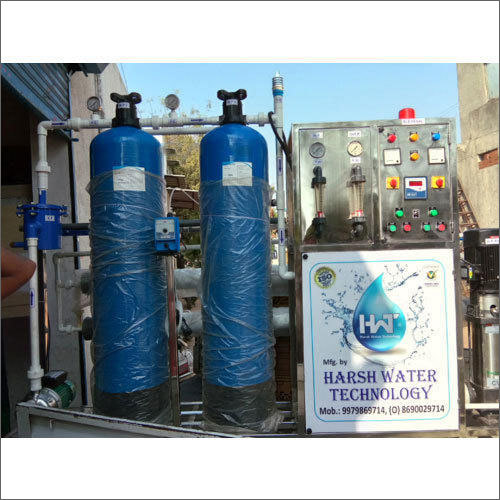
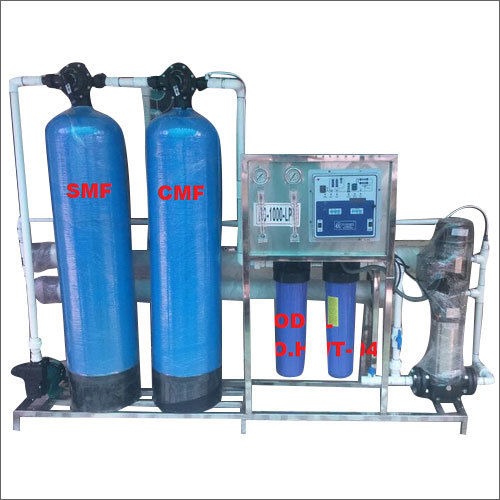
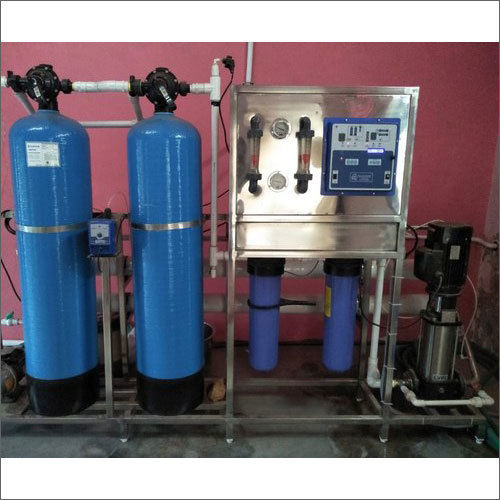
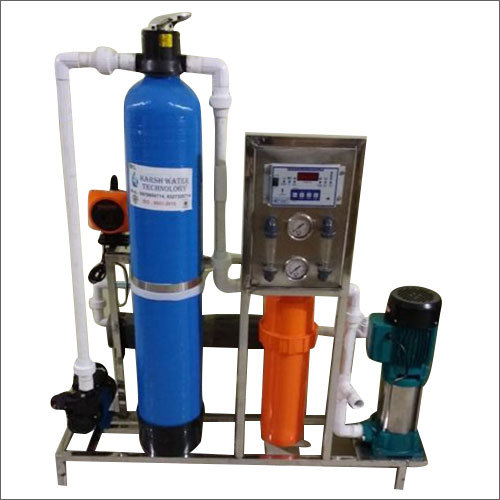
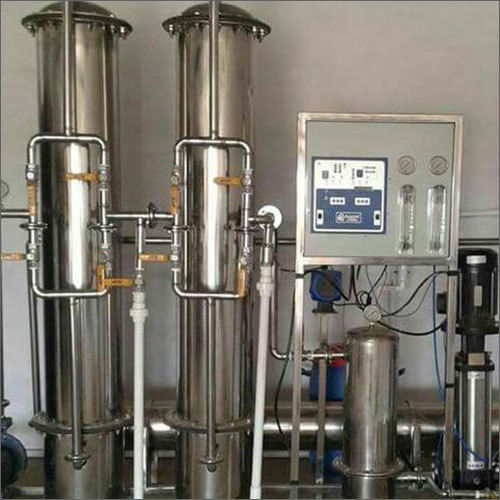
We are a prestigious manufacturer of 500 LPH RO Water Plant in the market. It is available in a capacity of 500 LPH (Liter Per Hour). 500 LPH RO Water Plant is also durable and designed with longevity in mind. The robust construction and high-efficient RO membrane of 500 LPH RO Water Plant ensures consistent performance.
Product details
| RO Capacity | 500-1000 (Liter/hour) |
| Usage/Application | Industrial |
| Brand | Hwt |
| Model Name/Number | Hwt-3 |
| Purification Type | High |
| Material | Stainless Steel |
High-Efficiency Filtration TechnologyUtilizing advanced reverse osmosis and multi-stage filtration (sand, carbon, micron), the 500 LPH RO Water Plant ensures consistent water quality and high recovery rates. With polyamide thin-film composite membranes, it effectively removes up to 98% of TDS and reduces salts by up to 99%, making it ideal for diverse water sources and stringent purity requirements.
User-Friendly Operation and Low MaintenanceThe plant features a semi-automatic PLC-based control panel for easy monitoring and operation. With robust components and skid-mounted design, maintenance is straightforward, and on-site service support is available. Enjoy reliable daily operation with minimal intervention and reduced operating costs.
FAQ's of 500 LPH RO Water Plant:
Q: How does the 500 LPH RO Water Plant work?
A: The plant operates on reverse osmosis technology, using 2-3 polyamide thin-film composite membranes to filter water. It first passes water through sand and carbon filters for pretreatment, then the main RO system removes up to 98% of TDS and up to 99% of salts, resulting in high-purity water suitable for drinking and industrial applications.
Q: What is the process for installing and commissioning this RO water plant?
A: Installation is handled by skilled technicians who mount the skid-based plant and connect the inlet and outlet (1 to 1.5 inches). After hooking up the electrical supply (220V/380V, 50Hz), the system is tested and calibrated for optimal flow rate and pressure. Commissioning includes a demonstration of control panel functions and maintenance routines.
Q: When should I use a chlorine dosing system or UV sterilizer with this plant?
A: A chlorine dosing system is recommended if the feed water is contaminated with bacteria or has high levels of organic matter. The optional UV sterilizer further ensures microbial safety by eliminating residual pathogens. Both options are advisable if water is used for drinking purposes or in sensitive applications.
Q: Where can this RO water plant be used?
A: Suitable for commercial, industrial, and institutional environments, this plant is ideal for locations that require a reliable source of purified water, such as factories, hotels, schools, hospitals, and bottling plants. It effectively treats borewell, municipal, or river water within the specified conductivity and TDS range.
Q: What are the main benefits of using this 500 LPH RO Water Plant?
A: With high recovery rates (up to 75%), excellent salt and TDS rejection, energy-efficient operation, and low noise (<65 dB), this plant delivers cost-effective, high-purity water. Its robust design and stainless steel/FRP construction ensure durability, while the semi-automatic control panel allows for easy management and reduced maintenance.
Q: How often should I perform maintenance on the RO membranes and filters?
A: Routine maintenance such as filter cleaning and membrane checking is recommended every 3-6 months, depending on feed water quality and usage patterns. Regular maintenance will help maintain efficiency, minimize downtime, and extend the lifespan of components.
 Send Inquiry



 Send Inquiry


 Send Inquiry