About Industrial Ro Plant
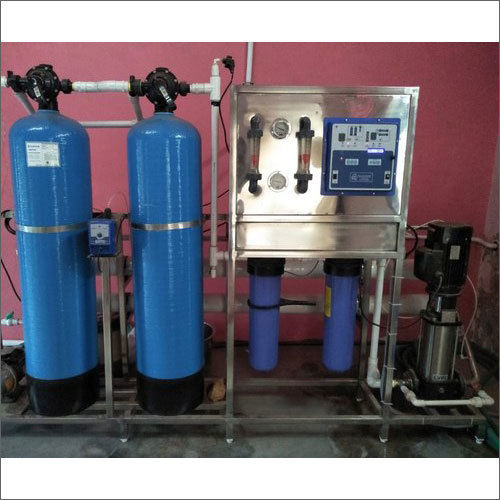
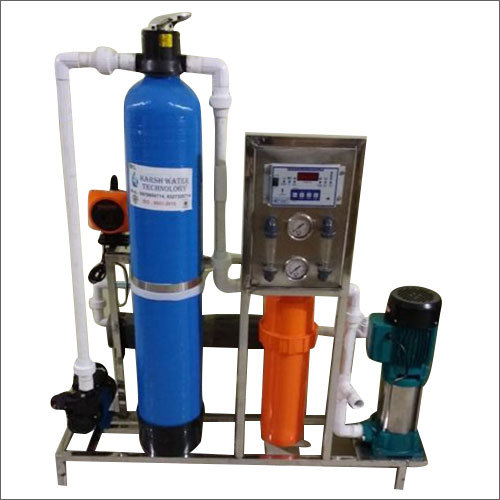
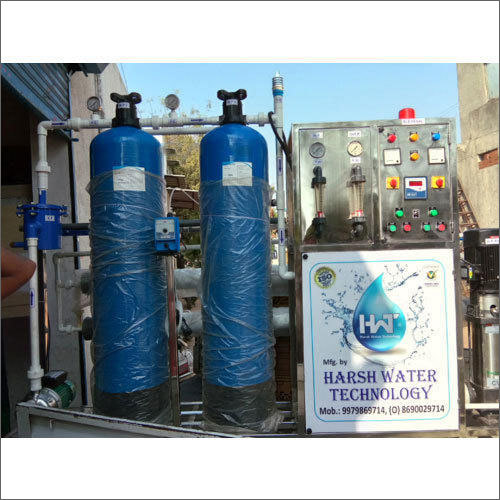
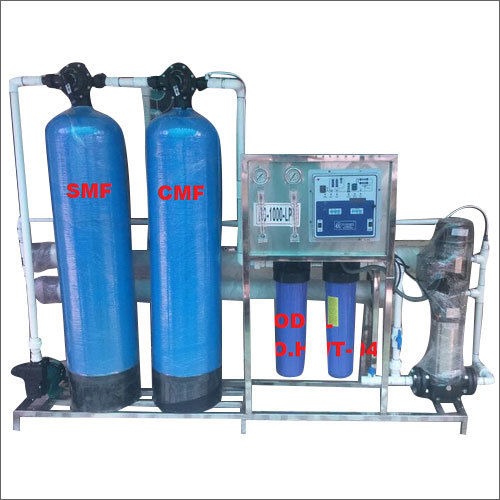
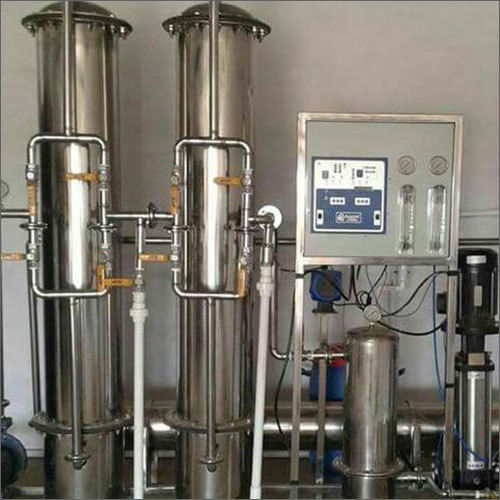
We have been serving our clients with a quality tested range of Industrial Ro Plant in the market. It carries out a common process of desalinating or purifying contaminated water. This Industrial Ro Plant then makes water suitable to be used for a number of purposes in variegated industrial sectors.
Product details
| RO Capacity | 500-1000 (Liter/hour) |
| Usage/Application | Industrial |
| Brand | Hwt |
| Model Name/Number | Hwt 500-1000 |
| Purification Type | Water |
| Material | FRP |
Versatile Design for Diverse Industrial RequirementsOur RO plants are fully customizable to meet the specific demands of various industries such as commercial buildings, pharmaceuticals, and food processing units. The installation can be containerized or skid-mounted, offering flexibility in space utilization and integration.
Efficient Water Purification with Low Operational CostsOperating on advanced reverse osmosis technology, these systems deliver high purity water efficiently. With features like low power consumption (3-10 kW), automated control panels, and optimized recycle rates, users benefit from reduced operational expenses and minimal intervention.
Durable Construction and Long Service LifeConstructed from premium stainless steel or FRP materials, these RO plants ensure robustness and longevity. Service life ranges between 10 to 15 years with proper maintenance, making them a reliable choice for continuous industrial operations.
FAQ's of Industrial Ro Plant:
Q: How does the industrial RO plant achieve high levels of water purity?
A: The plant uses multi-stage filtration-including sand, activated carbon, and micron filters-followed by Thin Film Composite (TFC) membranes in a reverse osmosis process to significantly reduce TDS (up to 99%), ensuring purified water with conductivities lower than 10 S/cm.
Q: What is the recommended water source and pre-treatment for this RO plant?
A: The plant is compatible with borewell, river, or municipal water supplies. Pre-filtration using sand and activated carbon filters is essential to remove suspended solids and organic contaminants, protecting the RO membranes and optimizing performance.
Q: When should the RO plant's membranes and filters be serviced or replaced?
A: Membranes typically last several years under regular maintenance but should be inspected periodically (at least annually or as water quality fluctuates). Pre-filters require more frequent replacement, usually every 3-6 months, depending on feed water quality and usage.
Q: Where can this industrial RO plant be installed?
A: These RO systems can be installed in a variety of industrial and commercial settings-such as factories, pharmaceutical labs, or food processing plants-since they are customizable in terms of volume, containerization, and skid-mounting to suit spatial constraints.
Q: What is the operational mode of the RO system and how user-friendly is it?
A: The plant offers both fully automatic and semi-automatic operation modes, managed via a PLC-based control panel. This ensures ease of use, reliable automation, and straightforward process monitoring for operators.
Q: What are the key benefits of using this industrial RO plant?
A: Users benefit from energy efficiency, long service life (10-15 years), high water purity (up to 99% TDS reduction), low maintenance costs, customizable output capacities, and environmentally friendly water recycling rates of 50-75%.
Q: How is the discharge and flushing managed in the system?
A: The system supports both manual and automatic flushing options, which help to clean the membranes and maintain efficiency, reducing downtime and extending component life.
 Send Inquiry



 Send Inquiry


 Send Inquiry